Cat Person vs Dog Person: 7 Easy Clues to Tell

How to tell if someone is a cat or dog person?
You can often spot the difference by paying attention to what someone enjoys in everyday interactions: structure versus spontaneity, quiet connection versus constant engagement, and how they talk about boundaries. Most people like both animals, but a “cat person” or “dog person” usually has a clear comfort zone.
Clues someone leans “dog person”
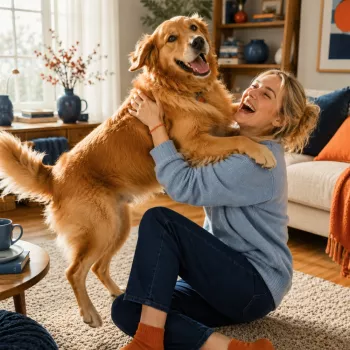
Dog people tend to light up around outward affection and shared activities. They’re usually comfortable with greeting energy, don’t mind a bit of noise, and enjoy routines like walks, play sessions, or training. When they describe a “good pet,” they often mention loyalty, responsiveness, and being included in everything—errands, weekends, and family time.
Clues someone leans “cat person”
Cat people often appreciate companionship that doesn’t demand constant attention. They may prefer quieter spaces, low-pressure bonding, and the feeling of earning an animal’s trust over time. When they talk about pets, they might emphasize independence, respect for personal space, and calm coexisting—reading on the couch, slow blinks, and gentle check-ins rather than nonstop interaction.
What they notice first: behavior, not looks
Ask what they find “charming” in each animal. Dog-leaning folks may praise enthusiasm, tail wags, and eagerness to learn. Cat-leaning folks may mention subtle communication, routines, and the way cats set boundaries. Their answers reveal what kind of relationship style feels most natural to them.
Watch how they handle training and boundaries
Dog people often enjoy shaping behavior with practice and consistency. Cat people may be more comfortable adapting the environment, using gentle incentives, and letting an animal come to them. Neither approach is better—just different temperaments matching different kinds of companionship. For a deeper breakdown of these personality patterns, visit this guide to decoding dog vs. cat temperament and calmer training.
FAQ
Can you be both a cat and dog person?
Yes. Many people enjoy the playfulness of dogs and the quieter companionship of cats, and their preference may shift depending on lifestyle, home setup, and stress level.











Leave a comment