Newborn Care Steps: A Simple Daily Checklist
What are the steps of newborn care?
Newborn care is a series of small, repeatable routines that keep your baby safe, fed, clean, comfortable, and monitored for early signs of illness. These steps can help you build confidence during the first weeks at home.
1) Create a safe sleep setup
Place your baby on their back for every sleep on a firm, flat surface (crib, bassinet, or play yard). Keep the sleep area free of loose blankets, pillows, stuffed items, and bumpers. Aim for a comfortable room temperature and consider a wearable swaddle or sleep sack if appropriate.
2) Feed on cues and track output
Offer feeds when your baby shows hunger cues (rooting, sucking motions, bringing hands to mouth). Whether breastfeeding or formula-feeding, monitor wet and dirty diapers and discuss any concerns about intake or weight with your pediatrician or lactation support.
3) Diaper and skin care
Change diapers often, clean gently front to back, and let the skin dry before putting on a fresh diaper. Use a barrier cream if redness starts. Watch the umbilical stump area for redness, swelling, odor, or discharge.
4) Keep baby warm and comfortable
Dress your newborn in breathable layers; a common guide is one more layer than an adult would wear in the same space. Check the back of the neck for sweat or coolness rather than relying on hands and feet.
5) Bathing and basic hygiene
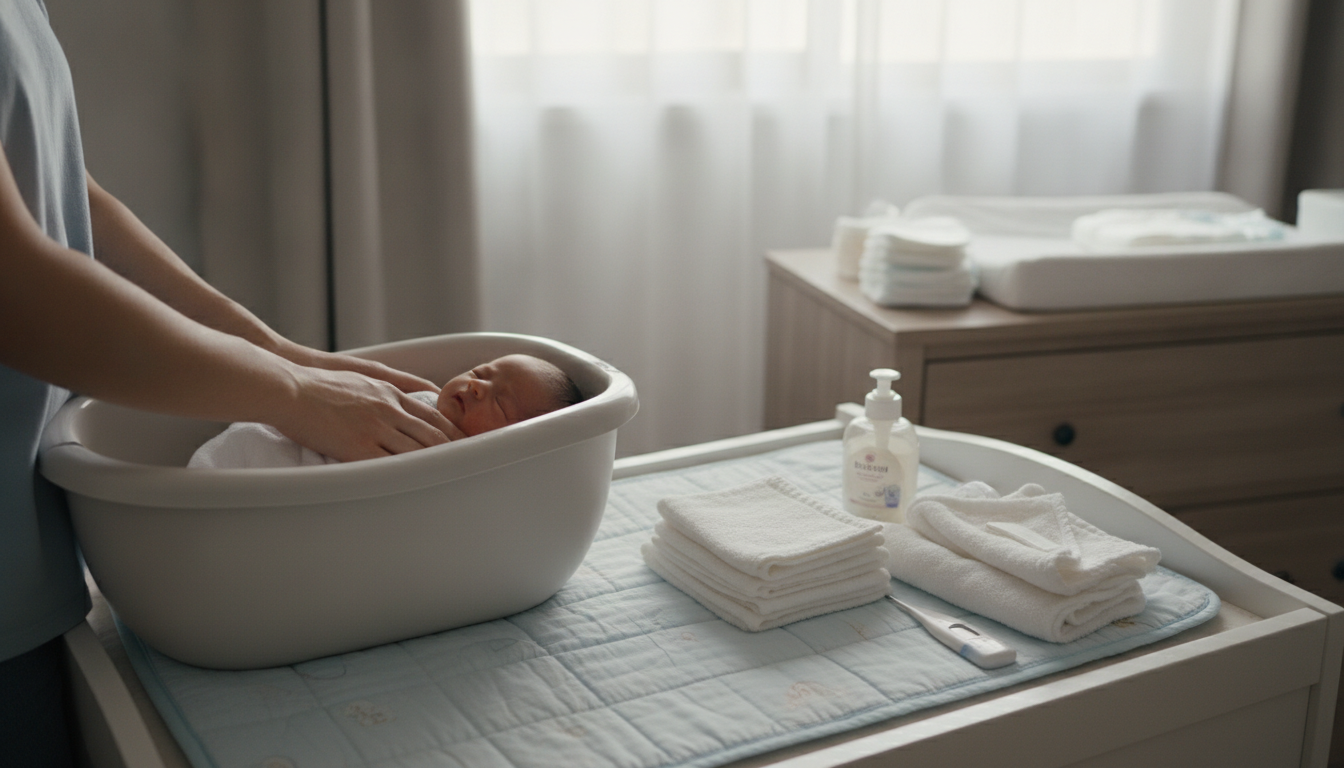
Stick to gentle sponge baths until the umbilical stump falls off and the area is healed. Use mild, fragrance-free products, and focus on neck folds, behind ears, and diaper area where moisture can collect.
6) Monitor health and know red flags
Take note of temperature (follow your pediatrician’s guidance on when and how to check). Seek medical advice promptly for fever in a young infant, poor feeding, unusual sleepiness, breathing trouble, or signs of dehydration.
7) Schedule follow-ups and support
Attend newborn checkups and keep a simple log of feeds, diapers, and any questions. For a deeper week-by-week walkthrough, visit this newborn survival guide for the first 0–4 weeks.
FAQ
How often should a newborn be fed?
Most newborns eat frequently, often every 2–3 hours, but cue-based feeding is key. Contact your pediatrician if your baby is consistently too sleepy to feed or has significantly fewer wet diapers than expected.












Leave a comment