Red Flag Dog Behavior: Signs, Causes, and What to Do
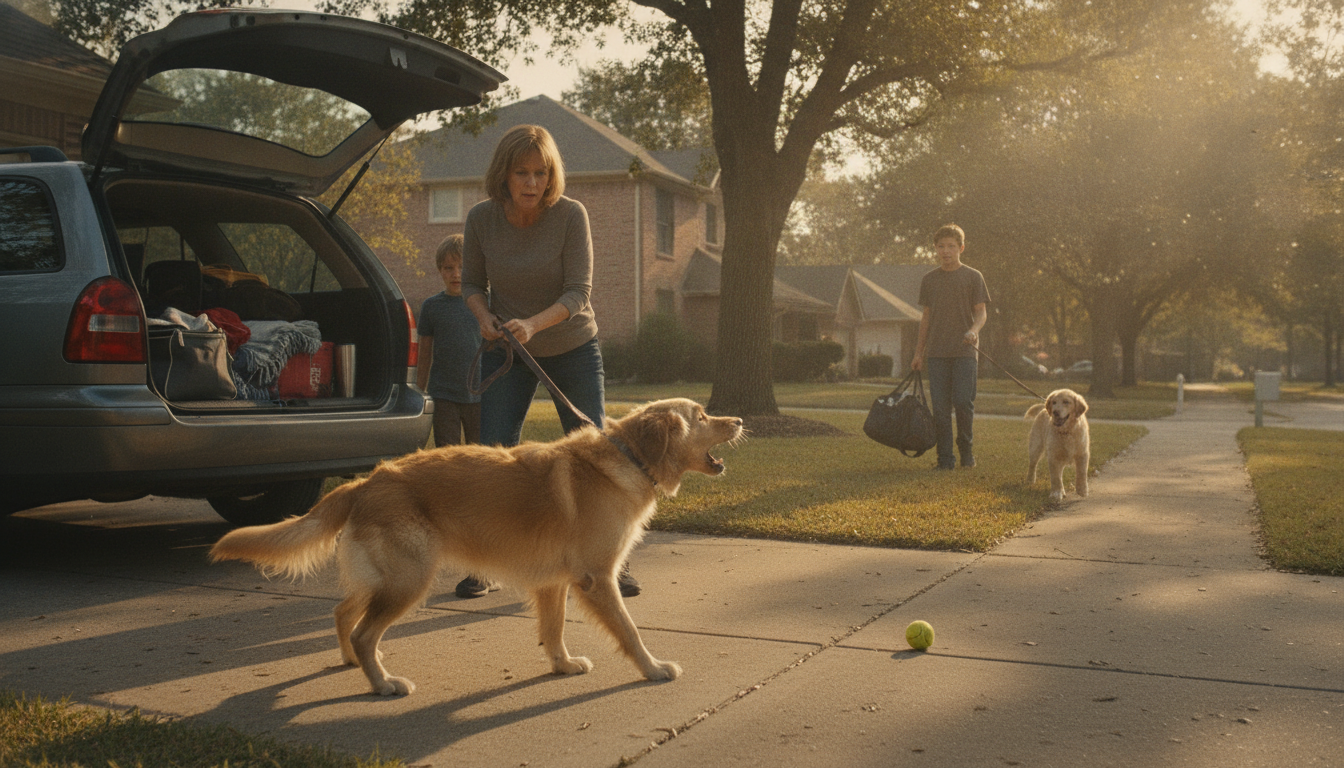
What is a red flag dog behavior?
A red flag dog behavior is a pattern that suggests a dog may be unsafe, highly stressed, or struggling to cope—especially if it appears suddenly, escalates quickly, or happens in specific situations like handling, feeding, or meeting strangers. These behaviors matter because they can precede bites, fights, or chronic anxiety if the root cause isn’t addressed.
Common red flags to watch for
Some warning signs are obvious, while others are subtle “please back off” signals. Pay attention to:
- Growling, snapping, or lunging at people or other animals, even if it “doesn’t make contact.”
- Stiff, frozen body posture (often with a hard stare) before reacting.
- Resource guarding of food, toys, beds, or people (hovering, gulping food, showing teeth, or charging).
- Repeated avoidance such as backing away, hiding, or refusing to be approached—especially when paired with tense posture.
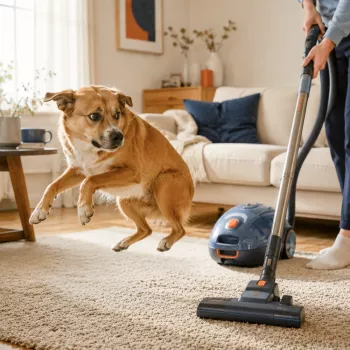
- Extreme reactivity to normal life (doorbells, leashes, grooming, being touched), including barking that doesn’t settle.
- Sudden personality change (irritability, sensitivity to touch, new aggression), which can signal pain or illness.
Why these behaviors happen
Red flags are often driven by fear, pain, overstimulation, poor early social experiences, or learned behavior that successfully made something “go away” in the past. A dog isn’t being “dominant” for warning—those signals are communication that the dog is uncomfortable and may be close to its limit.
What to do if you see red flags
Start by creating distance and reducing pressure: stop reaching, give the dog an exit, and avoid punishment, which can suppress warnings and make bites more sudden. If the behavior is new or escalating, schedule a veterinary check to rule out pain. Then work with a qualified positive-reinforcement trainer or a board-certified veterinary behaviorist. For a practical guide to reading temperament and calming responses, visit this dog and cat temperament decoding guide.
FAQ
What are early signs a dog is uncomfortable before it growls or bites?
Look for lip licking, yawning when not tired, turning the head away, whale eye (showing whites of the eyes), tucked tail, and a stiff body. These often appear seconds to minutes before a stronger reaction.









Leave a comment